
Seney Point Resort — Lake DeSmet, Wyoming
If you grew up around Buffalo or Sheridan during the middle of the twentieth century, you didn’t have to explain what Seney Point was. You just knew. A bend of shoreline on Lake DeSmet, a lodge tucked into the pines, and a runway cut into prairie grass where the summer sky hummed with small engines. Weddings, fish, long afternoons, borrowed boats, and stories that got better with time. It was the kind of place that didn’t brag, and didn’t have to.
For our family, it was more than that. It was where the summers happened, and where the rhythm of life slowed to the speed of water.
Early History
The Beginning: A Fishing Camp on a Young Lake
Seney Point began as most Wyoming stories do—quietly. In the early 1920s, my great-grandfather Ralph Seney established a camp on the western shore of Lake DeSmet. The lake itself was young in the story of development, and the region was still more cattle than tourists, more river than brochure. The first structures were simple: cabins, docks, and the kind of fishing setup that attracted families long before it attracted aircraft.
It was not conceived as a business empire or a luxury lodge. It started as a place to gather, to fish, and to breathe. A family retreat that became a magnet.
Tragedy and the Rise of the Twins
In 1934, Ralph was killed in an automobile accident, and the future of the resort could have ended there. Instead, it passed into the hands of his sons—Frank and Fred Seney, the Seney Twins—whose names still ring through Johnson County lore. If Ralph founded the place, the twins are the ones who put it on the map.
They modernized it, polished it, and grew it into a full summer resort. Cabins multiplied, guests multiplied, and children of the region grew up with memories measured in summers instead of years. The Seney Twins had a knack for hospitality and, more importantly, for understanding what Wyoming did best: space, sky, and water without pretense.
The Aviation Era
What separated Seney Point from other Western resorts was not the fishing or the view—it was the runway.
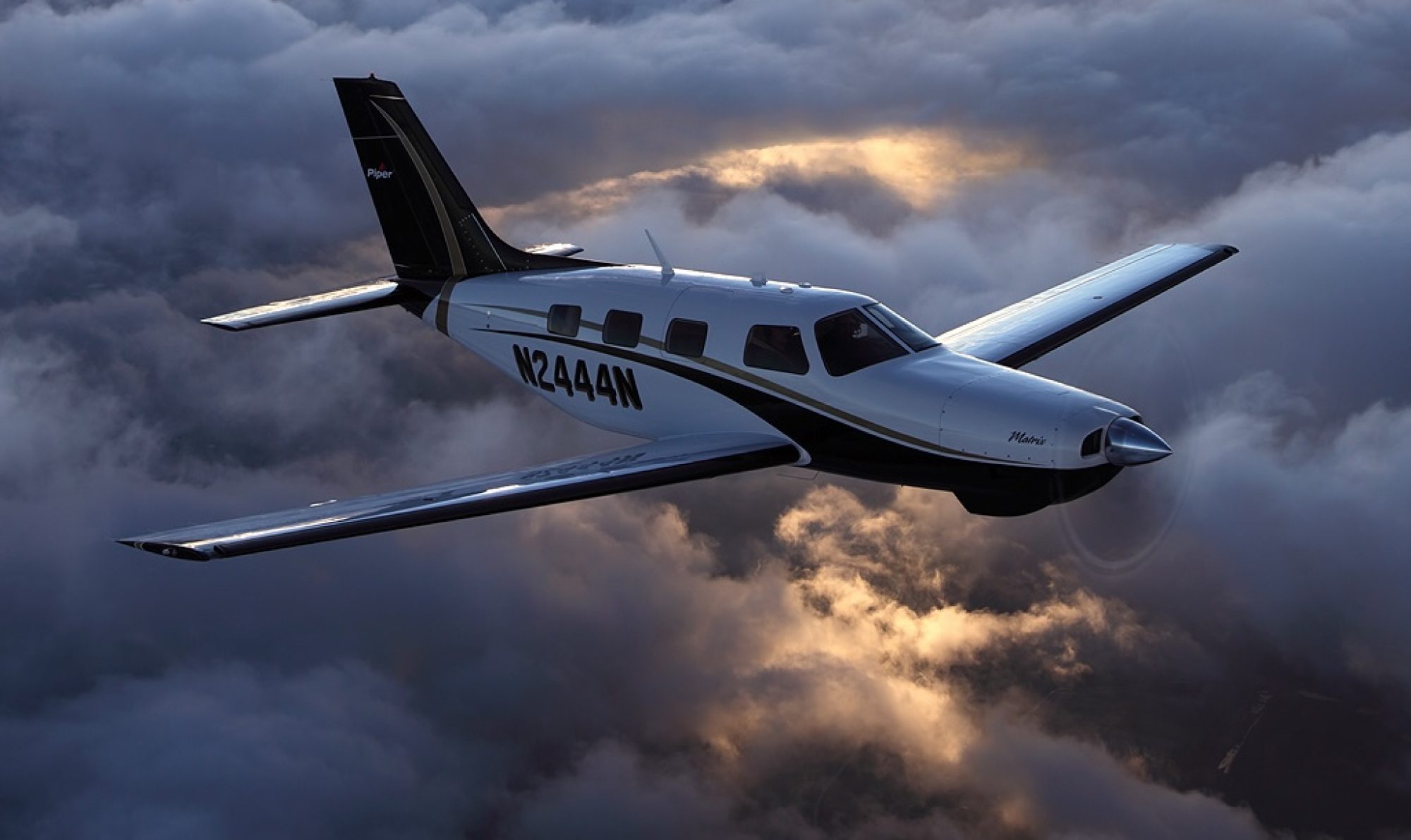
At a time when general aviation was still romantic and still personal, the idea of a fly-in resort on a mountain lake in Wyoming was irresistible. Pilots arrived in Cessnas and Beechcrafts, and what had begun as a fishing camp became a waypoint for the adventurous.
Hollywood actor Robert Taylor flew his own twin-engine Beechcraft into the resort during the height of his fame, and it wasn’t unusual to see a polished airplane parked near a lodge full of locals eating fish caught ten yards away.
For a while, that runway made Seney Point one of the most interesting and underestimated aviation destinations in the state. Pilots liked coming in low over the water, shutting down, and stepping straight into the lodge. Wyoming didn’t have many places like that—still doesn’t.
The Family Era
By the time my parents arrived on the scene, Seney Point had become a cultural fixture. My father, also named Ralph Seney, and my mother Karen, spent their summers there as early as high school. Long before they were parents, they were seasonal locals—young, tan, and convinced the summers would always look like that.
When they eventually did have children, we joined the rotation: Ralph Jr. (Sid), myself (Kevin), my sister Bambi, and my youngest brother Tad. For us, the lake was as constant as weather. We learned to swim there, to fish, to read clouds, to handle boats, to tell stories, and to stay out a little later than we were supposed to. Time moved differently. Childhoods have a way of dissolving, but summers on Lake DeSmet remain intact in memory.
Corporate Transition & Rising Water
In the late 1970s, the resort was sold to Reynolds Aluminum. Later it passed to Texaco, as interests in Wyoming water rights and industrial development accelerated. As part of broader regional planning, Lake DeSmet’s water level was raised approximately forty feet. What had once been shoreline became lakebed, and the original resort—the docks, the runway, and the structures that carried so many memories—was gradually swallowed by the water.
The historic buildings were relocated fifty feet higher, to safer ground, and repurposed into a private executive retreat. Buffalo and Sheridan locals weren’t thrilled, not because they hated corporations, but because something familiar had become something exclusive.
It carried the quiet Wyoming disappointment that sounds like: “Well, that’s a shame. It was a hell of a place.”
The Lake as a Character
Lake DeSmet has always been more than scenery. It reflects storms, hides secrets, preserves stories, and takes what it wants. When the water rose, it didn’t destroy Seney Point—it absorbed it. The docks are down there. The shoreline is down there. The place where the planes used to park is down there too.
And in a way, that feels fitting. Wyoming doesn’t like museums. It prefers myths.
Timeline
- Early 1920s: Founded by Ralph Seney as a family fishing camp
- 1934: Ralph dies; resort passes to Frank & Fred Seney
- 1940s–1970s: Peak era — cabins, fishing, fly-in aviation
- Late 1970s: Sold to Reynolds Aluminum
- 1980s: Texaco raises lake level ~40 ft; buildings relocated
- Today: Private retreat; legacy preserved in local lore
Aviation Notes
Seney Point was one of Wyoming’s few true fly-in lake resorts. Pilots favored it for:
- Direct runway access
- Lakeside parking
- No ground transportation required
- Cabins and lodge within walking distance
Hollywood actor Robert Taylor famously flew his own Beechcraft twin into the resort, further adding to its mythology among pilots.
Legacy
Today, the resort as it once was no longer exists in its original form. There is no summer brochure, no fishing schedule pinned to the lodge wall, and no airplanes flaring low over the water. But the legacy persists:
- In the memories of those who stayed there
- In family albums and stories told across generations
- In the lore of Buffalo and Sheridan
- In the pilots who remember landing there
- And in the quiet pride of those who carry the name
Places don’t need to be physically present to be real. Some of the most vivid places in Wyoming are underwater, bulldozed, built over, or reduced to foundations. Seney Point joined a long list of Western spaces that lived hard, served long, and eventually changed hands the way land always does.
Author’s Epilogue
This record—this page—is my way of putting a flag in the ground so it doesn’t get forgotten. I spent my summers there from birth until my late teens. My father and mother spent their youth there before we ever existed. My great-grandfather built the place. My grandfather and great-uncle made it famous. A corporation swallowed it. A lake covered part of it. And time finished the job.
But legacy is not measured in structures or ownership. It is measured in the number of people who remember, and the stories that refuse to die.
Dedicated to the families who built Seney Point, and to the summers that made it matter.
Curated and written by Kevin Seney, Park City, Utah
 Kevin Seney